If you are like us here at Summit Turf Services, we absolutely love the spring and summer months when our lawns and landscaping take off and look their best. Lush green and beautiful colors dot the landscape from your hard work. Then, tragedy strikes when you notice your beautiful trees are covered with bagworms. This article will go over what bagworms are, how to identify them, and how to eliminate them.
What Are Bagworms?
Have you ever noticed an odd or unusual discoloration on your shrubs or trees? Bagworms might be the source of the problem. Bagworms are larvae or caterpillars that feed on a wide range of tree and shrub species. These caterpillars can be highly destructive if established in a yard. They can damage or kill your arborvitae, cedar, cypress, juniper, pine, spruce, and many other species of trees and shrubs.
The pests are named for the cocoons, composed of leaves, twigs, and spun silk they wrap themselves in. The female species of this pest, if left untreated, can lay up to 1,000 eggs once inside of their cocoon. If not taken care of, your Bagworm infestation can grow significantly. Each egg that is laid will hatch into a Bagworm, ready to tear through any surrounding vegetation.
If you suspect your trees or bushes of an infestation of bagworms, it is vital to eliminate the issue immediately. Unfortunately, bagworms are typically not discovered straight away and are often mistaken for small pine cones. However, the pests spread slowly as the female does not fly around, but they can be blown to other plants on a windy day, making the issue even more significant.
Identifying Bagworms
Before you start treating this pest, first determine if you have an infestation. Knowing what to look for is crucial. Below are a few things to look for to determine if you have bagworms. The simplest method to decide whether or not you have an infestation of bagworms is to look for the spindly-like sacks that bagworms create.
- The sacks are composed of plant fragments and silk.
- They are brownish in hue and have spines all over them.
- They are approximately 2 inches long.
- Each bag can store up to 1,000 bagworm eggs.
- The Female species of Bagworms live their entire lives within the sacks.
- Adult males range in length from 18 to 25 mm.
- Male bagworm adults are black and resemble tiny moths with translucent wings.
- After mating with the female within, male bagworms emerge from their sack in the latter part of August.

Inspecting Trees and Bushes
A bagworm infestation can be found outside in vegetation. So be sure to carefully look for the spindly sacks in trees and shrubs, especially in arborvitae, cedar, cypress, juniper, pine, and spruce during the winter and spring months.
You’re on the lookout for bagworm sacks or cocoons. They look like small pine cones; however, they are spindly and approximately two inches long. Mark the location of the sacks on your shrubs and trees to concentrate on when you begin treating your vegetation.
Once you’ve established the presence of Bagworms on your property, you should check all trees and shrubbery on your property, searching for bagworm activity. This will help you determine other areas to treat.
Treating Trees and Bushes
So, you have bagworms, and you’re wondering, how do I get rid of these pests before they ruin my landscaping? Treating trees and shrubs is critical. The most effective approach to eliminate Bagworms is to treat the infestation with an Insecticide. You can effectively treat bagworms with sprays like bacillus thuringiensis, spinosad, and any insecticides that include pyrethroids.
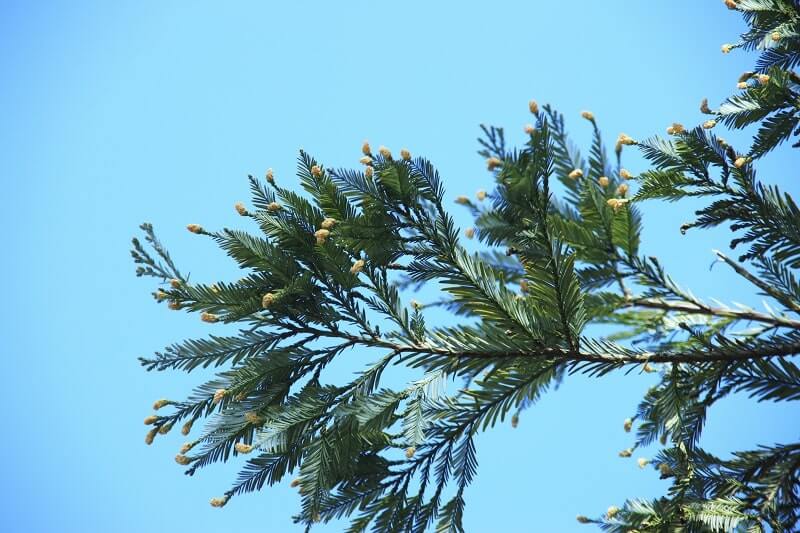
Treating in the early season can be more effective and easier to eliminate the pests. If you treat bagworms late in the season, the larger adult caterpillars can be harder to kill. Late-season treatments work best with pyrethroid insecticides.
If you do not want to use chemicals on your trees and shrubs, organic options can help. However, these options are not always as effective. One such example is using dishwashing liquid, which sounds great; however, you must puncture the sacks before spraying the liquid on them, which can take a lot of time and effort.
Insecticides
If you choose to treat the infestation of bagworms with an insecticide, be sure to read labels. It’s essential to understand the chemicals you are working with and are aware of the expected outcome and potential risks. When using chemicals, it is best to use protective gear such as a long sleeve shirt, long pants, gloves, and safety glasses. If you are spraying chemicals, you do not want to take the chance of any chemicals getting in your eyes, mouth, or on your skin from overspray or a breeze.
The safest insecticide to treat bagworms is spinosad. This particular insecticide is made with naturally occurring chemical compounds and kills the larvae slowly. However, more aggressive insecticides can be used as well, such as bacillus thuringiensis, which is available at local nurseries and garden centers. To treat affected areas, spray the insecticide thoroughly on shrubs and trees.

Prevention
Following treatment, it is vital to ensure that the bagworms do not return and re-infest your shrubs and trees. Check all shrubs and trees on your property for Bagworms regularly and physically remove any sacks that you find. Because insecticides do not penetrate the sacks, removing them as you find them is the best form of prevention.
Pick the bags off your trees by hand and immerse them in a pail of soapy water to drown the bagworms. You may also place them in a bag and dispose of them away from your home. Finally, spray insecticide in late May to the middle of June, when bagworms hatch from their cocoons.
Final Notes on Getting Rid of Bagworms
If your beautiful trees are getting invaded by bagworms, we hope the above tips will help you clear your yard of pests. The first step is to identify the problem, and then you can treat your trees and shrubs accordingly. After the treatment, prevention is key. Summit Turf Services is here to help with all of your lawn care needs, questions, and concerns. Our customers appreciate our lawn maintenance, preventative maintenance, and so much more! Get in touch with our lawn care experts today!