Maintaining your commercial turf can play a crucial role in establishing a positive first impression, enhancing the aesthetics of the surroundings, and providing a welcoming atmosphere for clients and employees alike. However, maintaining these expansive green spaces comes with its own set of challenges. In this blog we will talk about some of the common challenges business owners and property managers face when it comes to maintaining the turf for their commercial properties.

Solutions for a Lush Landscape
From dealing with diverse weather conditions to pest infestations, understanding the common problems that plague commercial turf is essential to ensuring their long-term health and beauty. Let’s dive into some of the most prevalent issues that businesses face when it comes to their turf and explore effective solutions to create and sustain vibrant landscapes.
Weather Extremes
One of the foremost challenges in maintaining commercial turf is the unpredictable and often harsh weather conditions. Droughts, heavy rainfall, extreme temperatures, and fluctuating humidity levels can all take a toll on the health of grass and plants. Drought conditions can lead to water scarcity, causing lawns to turn brown and brittle. On the other hand, excessive rainfall can result in waterlogging, which hampers root development and encourages the growth of diseases.
Solution: To mitigate the effects of weather extremes, businesses should invest in efficient irrigation systems that provide targeted watering. Drip irrigation and smart sprinkler systems can optimize water usage by delivering the right amount of moisture directly to the roots. Additionally, selecting drought-resistant grass species and employing proper mulching techniques can help retain moisture and protect the soil from temperature fluctuations.

Turf Soil Quality and Compaction
Commercial turf often face issues with soil compaction due to foot traffic, heavy equipment, and lack of proper aeration. Compacted soil restricts root growth, inhibiting the flow of nutrients and water. Poor soil quality can also lead to inadequate drainage, which contributes to waterlogging during rainfalls.
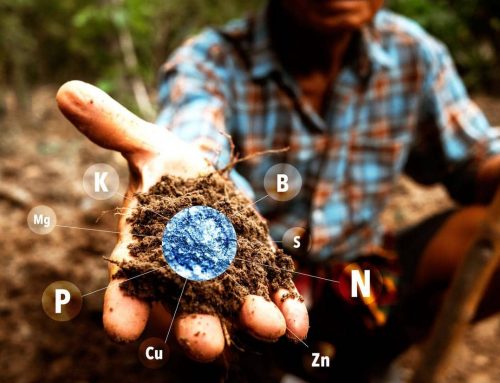
Solution: Regular aeration is essential to combat soil compaction. Core aeration includes the extraction of small soil plugs, enabling enhanced infiltration of air, water, and nutrients into the soil’s deeper layers. Amending the soil with organic matter can enhance its structure and nutrient-holding capacity. Conducting soil tests periodically will help identify nutrient deficiencies and pH imbalances, enabling businesses to tailor their fertilization programs accordingly.

Weed Infestations in Commercial Turf
Weeds are persistent invaders in commercial turf, competing with desirable plants for resources and marring the overall appearance of the landscape. They thrive in areas with weak grass cover, poor soil conditions, and insufficient maintenance.
Solution: Employ integrated weed management strategies that include practices such as regular mowing, proper fertilization, and targeted herbicide applications. Implementing a pre-emergent herbicide program can prevent weed seeds from germinating. Maintaining healthy turf through adequate watering and proper fertilization helps create an environment where weeds struggle to establish themselves.
Pest and Disease Pressure of Commercial Turf
Commercial turf are susceptible to a range of pests and diseases that can rapidly spread and cause significant damage. Grubs, insects, fungi, and other pathogens can weaken grass and plants, leading to brown patches, wilting, and even death.
Solution: Monitoring the lawn for signs of pest or disease activity is vital. Integrated pest management incorporates a blend of cultural, biological, and chemical measures to effectively address and control these concerns. Regularly aerating, dethatching, and mowing at the correct height can promote healthy grass and reduce susceptibility to disease. Employing disease-resistant grass cultivars and using organic fertilizers can also boost the lawn’s natural defenses.

Improper Commercial Turf Maintenance Practices
A lack of proper maintenance practices can exacerbate the challenges mentioned above. Over-watering or under-watering, improper mowing techniques, and neglecting soil care can lead to an unhealthy and unsightly lawn.
Solution: Educating landscaping teams about correct maintenance practices is paramount. Implement a consistent mowing schedule, ensuring the grass is never cut by more than a third of its height at once. Promote deep root expansion and minimize water wastage by adopting the practice of infrequent yet thorough watering. Regularly inspect the irrigation system for leaks and malfunctions. Providing ongoing training and investing in professional lawn care services can help avoid these pitfalls.

Wrapping Up
Maintaining a lush and vibrant commercial turf requires a deep understanding of the challenges that come with it. By addressing weather extremes, enhancing soil quality, managing weeds, controlling pests and diseases, and adopting proper maintenance practices, businesses can overcome these common problems. A well-maintained commercial turf not only enhances the visual appeal of a space but also contributes to a positive and welcoming environment that leaves a positive impression on employees and clients alike. Are you in need of professional commercial turf maintenance? Contact Summit Turf Services today! Our team of experienced professionals are here to help you make your property look its best.